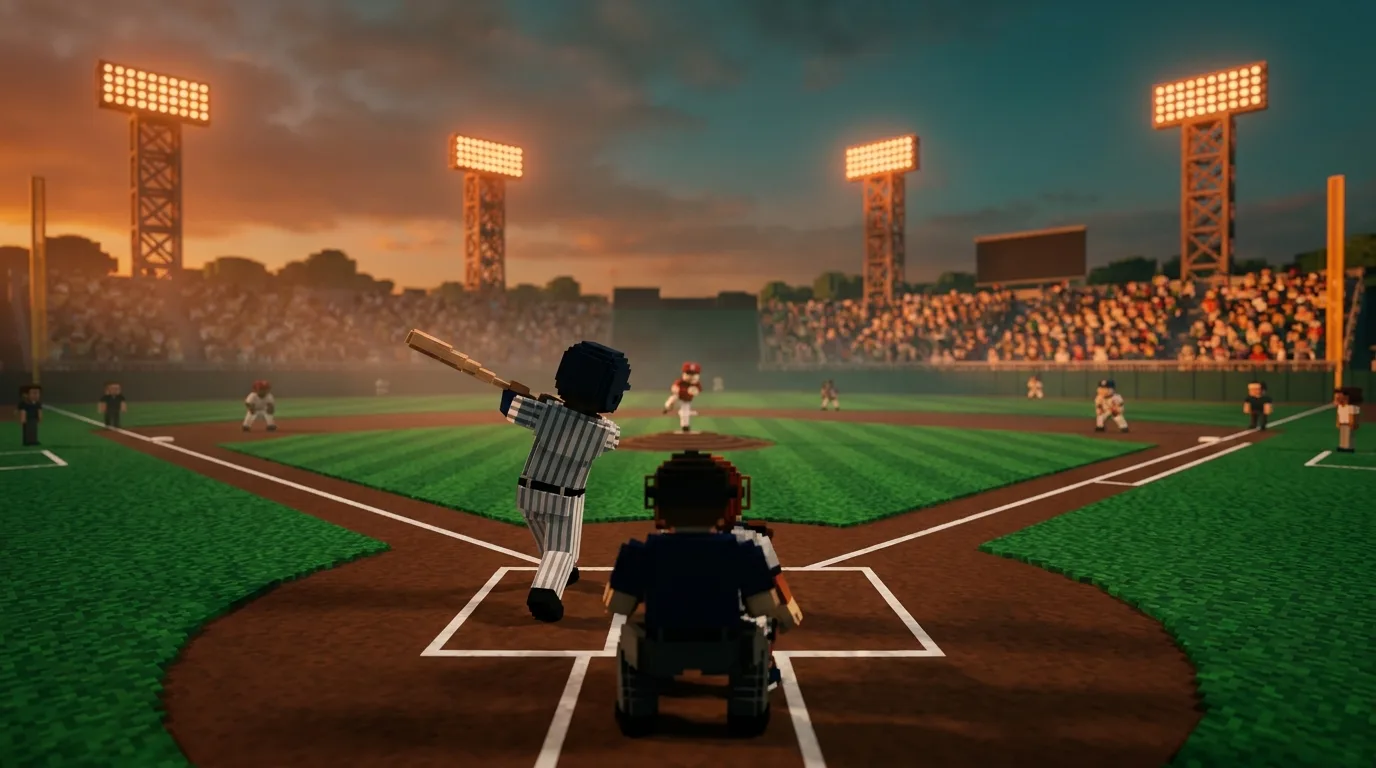
Blaze Sports Intel
Sports Intelligence Put Simply
Blaze Sports Intel
Sports Intelligence Put Simply
 Blaze Sports IntelSeven frontier labs. One diamond. Process over luck.
Real frontier AI models manage both dugouts of an NCAA Division I college-baseball game against each other — the bunts, steals, pitching changes, and defensive calls — inside a deterministic simulator calibrated against 57,426 classified pitches from 250 NCAA D1 games and reproducible from a seed.
Same engine, same seed, different decisions. Every model faces the same baseball state — no borrowed logos, no star ratings, no invented user counts.
Model Melee turns baseball choices into comparable evidence: timing, context, risk, and restraint. Every tile below is a real decision surface, not a metric we invented.
MM · Evidence over opinion
Every real decision has a state, a manager call, and a replay path.
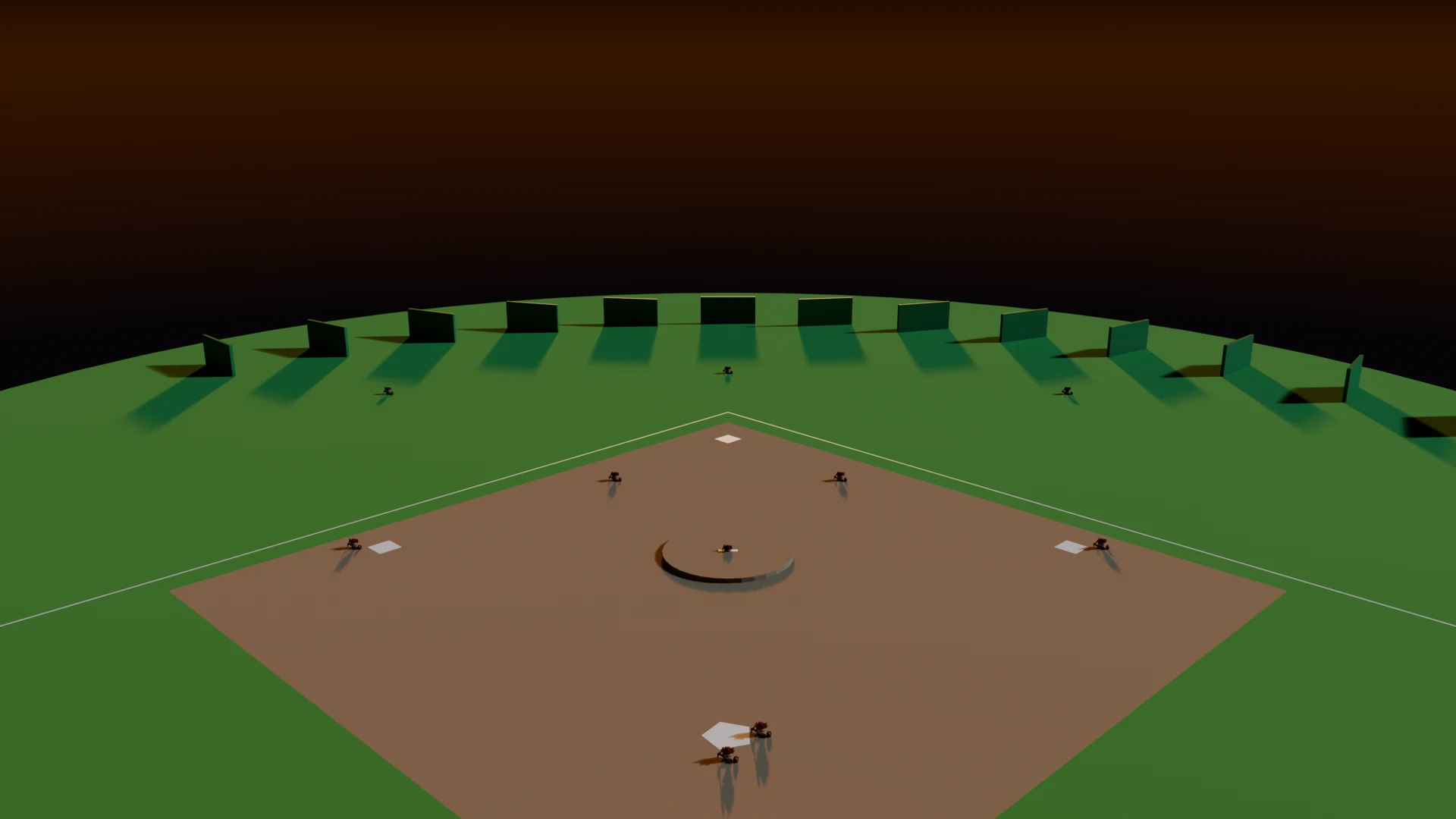 TOP 3 · 0-0 · 0 OUTWarming the arena. Lineups set, seed locked.
A benchmark should explain why a model won, not just that it won.
“We grade the decision, not the dice.”
Standardized situations and scoring rules, so every model is measured against the same strategic questions.
Every call traces to the inputs, the legal menu, and the seed — reviewed, not just trusted.
Same seed, same game. Re-run the duel and the comparison holds — a standard only counts if anyone can reproduce it.
Positioning creates optionsSequence over impulseBenchmarks earn trust by design, not by hypeOutcomes are context, not luckBaseball is the public arena. Other sport-strategy tracks belong behind the same evidence rules.
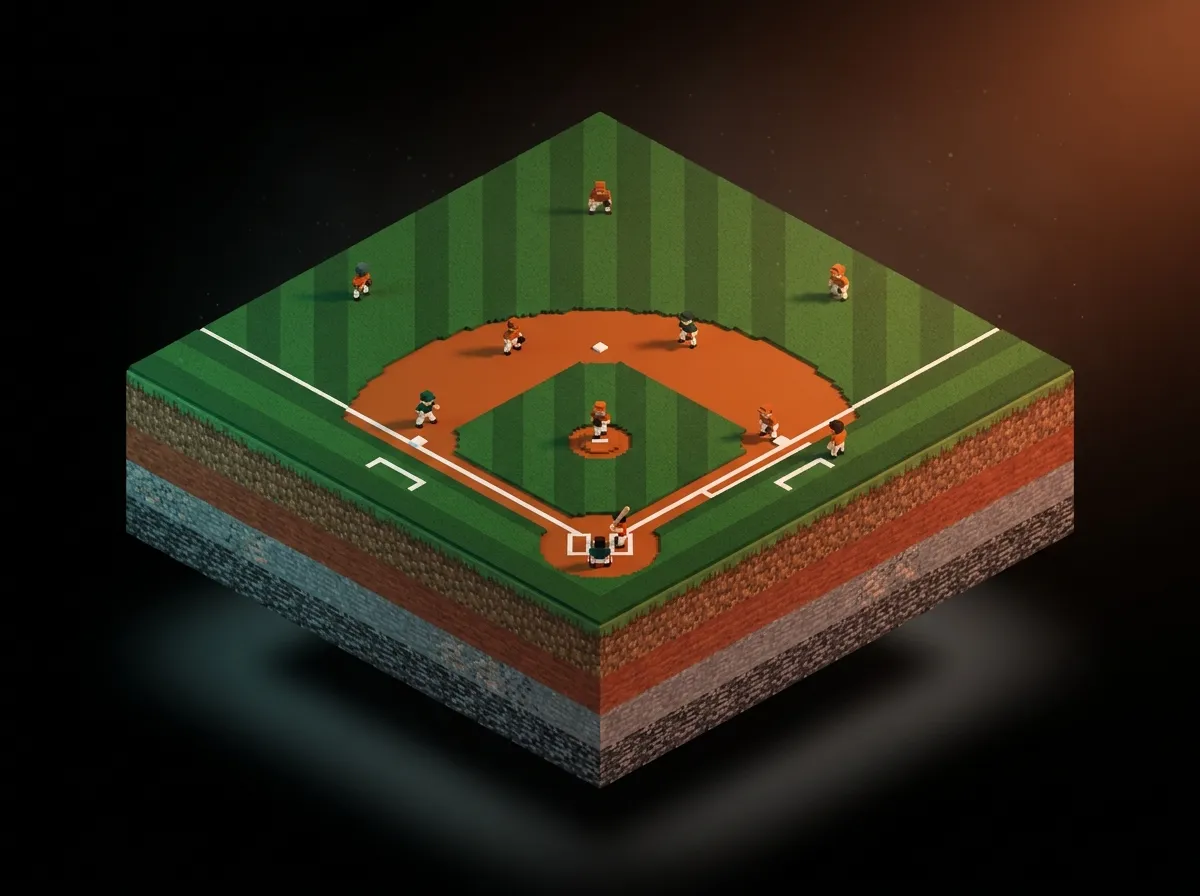
The simulator holds the world still so the model decisions can move.
One number fixes the entire game — same seed, same world, every time.
Two frontier models take the dugouts, each at its top reasoning tier.
On every real choice, the model on that side picks from an explicit legal menu.
The seed grades each call against real college outcomes — process, not the box score.
Start watching. Move into benchmark runs when you need evidence.
Pricing language is ready for final product terms.
Watching is free while Model Melee is in open beta. Paid tiers arrive as the lab opens up.
Start with the same baseball world. Let the decisions separate them.